In this guide
- Unlocking Financial and Career Opportunities in Dutch Logistics
- The Economic Landscape of Dutch Supply Chain Management
- Key Sectors Hiring International Talent
- Navigating Compensation and Financial Incentives
- Essential Qualifications and Skill Sets
- The Recruitment Process for International Candidates
- Visa Requirements and Legal Considerations
- Costs, Risks, and Strategic Decision Factors
- Frequently Asked Questions
- Can I find supply chain jobs in the Netherlands without knowing Dutch?
- What is the 30% ruling and how does it affect my salary?
- How difficult is it to find housing in the Netherlands?
- Are there specific certifications that are highly valued in the Dutch market?
- How long does the visa application process take for non-EU citizens?
- Sources
Unlocking Financial and Career Opportunities in Dutch Logistics
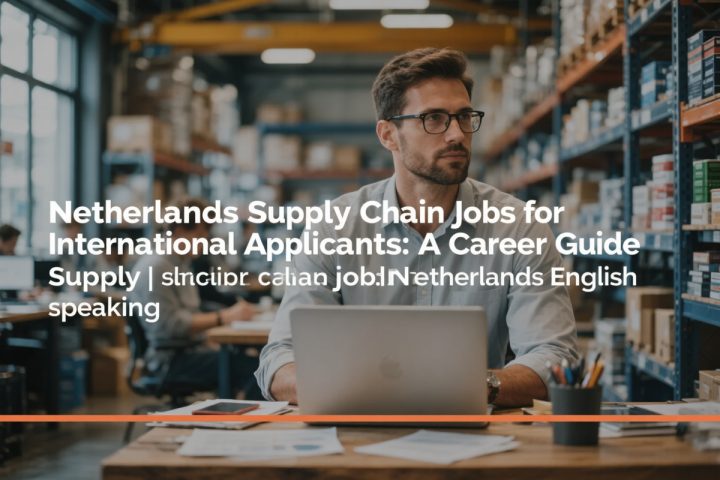
The Netherlands stands as a global powerhouse for logistics, serving as the primary gateway to the European market through the Port of Rotterdam and Schiphol Airport. For international professionals seeking stability and growth, supply chain jobs Netherlands English speaking represent a unique intersection of high demand and accessible entry points. Unlike many other European nations where language barriers often block foreign talent from senior roles, the Dutch business environment is uniquely positioned to welcome English-speaking experts in finance, operations, and procurement.
This guide delves deep into the financial realities, career pathways, and strategic considerations for those looking to relocate. Whether you are an experienced supply chain manager or an aspiring analyst, understanding the economic landscape is crucial. The Dutch economy relies heavily on trade efficiency, meaning that skilled workers who can optimize costs, manage inventory, and navigate complex regulatory frameworks are highly valued. The focus here is not just on finding a job, but on securing a position that offers long-term financial security and professional development within a robust European infrastructure.
From the perspective of personal finance and career planning, relocating to the Netherlands involves significant upfront costs and tax implications. However, the 30% ruling for expatriates can dramatically alter the net income equation, making these roles financially attractive compared to other regions. This article provides a comprehensive breakdown of the sectors hiring, the specific skills required, the compensation structures, and the step-by-step process for international applicants. We will explore how to align your career goals with the financial incentives available, ensuring that your move is both professionally rewarding and economically sound.
The Economic Landscape of Dutch Supply Chain Management
The Netherlands possesses one of the most sophisticated logistics networks in the world, driven by its strategic location and advanced infrastructure. This environment creates a fertile ground for supply chain jobs Netherlands English speaking, particularly in roles that require cross-border coordination and financial oversight. Companies operating in this region face constant pressure to reduce carbon footprints while maintaining speed and cost-efficiency, leading to a surge in demand for professionals who understand sustainable finance and green logistics.
In the current economic climate, supply chain resilience has become a top priority for multinational corporations. The disruptions caused by recent global events have highlighted the need for robust contingency planning and risk management. Consequently, employers are actively seeking candidates who can bring analytical rigor and strategic foresight to their operations. These roles often sit at the intersection of operations and finance, requiring a deep understanding of cash flow, inventory valuation, and cost-benefit analysis. Professionals who can bridge the gap between physical logistics and financial performance are increasingly rare and valuable assets.
The sector is also characterized by a high degree of digitalization. Advanced technologies such as AI-driven forecasting, blockchain for transparency, and automated warehousing are becoming standard. This technological shift means that modern supply chain roles require not only operational knowledge but also a comfort level with data analytics and financial modeling tools. International applicants who possess a blend of technical skills and financial acumen are well-positioned to secure competitive salaries. The Dutch market rewards specialization, and those who can demonstrate expertise in areas like procurement strategy, inventory optimization, or logistics finance will find ample opportunities.
Key Sectors Hiring International Talent
To successfully land supply chain jobs Netherlands English speaking, it is essential to target industries where English is the default corporate language. Several key sectors dominate the Dutch market and offer the highest volume of opportunities for international professionals. Understanding these sectors helps applicants tailor their resumes and identify the specific financial and operational challenges they will face.
- Port and Maritime Logistics: Centered around the Port of Rotterdam, this sector handles millions of containers annually. Roles here involve terminal management, cargo planning, and customs brokerage. The financial stakes are incredibly high, requiring professionals who can manage large-scale contracts and mitigate shipping risks.
- Agriculture and Food Processing: The Netherlands is a global leader in agricultural exports. Companies in this sector focus on cold chain management, food safety compliance, and efficient distribution networks. The emphasis on sustainability and traceability drives demand for managers who can balance cost control with ethical sourcing standards.
- E-commerce and Retail Distribution: With a thriving e-commerce market, companies like Coolblue and various third-party logistics providers are expanding rapidly. These firms need experts in last-mile delivery optimization, warehouse automation, and reverse logistics. The fast-paced nature of this sector requires agile decision-making and strong financial planning skills.
- High-Tech and Manufacturing: The “Brainport” region near Eindhoven hosts major technology and manufacturing firms. Supply chain roles here involve managing complex component flows, semiconductor logistics, and just-in-time production schedules. Precision and cost efficiency are paramount, creating a need for analysts who can forecast demand accurately.
Each of these sectors presents distinct financial challenges and opportunities. For instance, maritime logistics often involves dealing with volatile fuel costs and currency fluctuations, while e-commerce focuses on margin compression and customer acquisition costs. By targeting the right industry, international applicants can leverage their specific background to solve immediate pain points for employers. This alignment increases the likelihood of securing a role that values your expertise and offers a clear path for advancement.
Navigating Compensation and Financial Incentives
When evaluating supply chain jobs Netherlands English speaking, understanding the compensation structure is vital for financial planning. The Netherlands offers some of the most competitive salary packages in Europe, particularly for specialized roles. Salaries vary significantly based on experience, industry, and location, but generally, supply chain managers can expect a substantial income that reflects the complexity of their responsibilities.
Beyond the base salary, several financial incentives make working in the Netherlands particularly attractive. One of the most significant benefits is the 30% ruling. This tax facility allows eligible employees to receive 30% of their gross salary tax-free as reimbursement for extraterritorial costs. To qualify, applicants must meet specific criteria regarding their age, prior residence outside the Netherlands, and the scarcity of their skills. For many international professionals, this ruling can increase their net disposable income by a considerable margin, effectively offsetting the higher cost of living in cities like Amsterdam and Rotterdam.
| Role Level | Average Annual Gross Salary (EUR) | Estimated Net Income with 30% Ruling | Key Financial Skills Required |
|---|---|---|---|
| Supply Chain Analyst | €45,000 – €60,000 | €38,000 – €50,000 | Data Analysis, Cost Modeling, Inventory Valuation |
| Logistics Coordinator | €35,000 – €48,000 | €29,000 – €40,000 | Procurement, Vendor Management, Budget Tracking |
| Supply Chain Manager | €70,000 – €95,000+ | €60,000 – €82,000+ | Strategic Planning, Risk Management, P&L Oversight |
| Head of Operations | €100,000 – €140,000+ | €85,000 – €120,000+ | Corporate Finance, M&A Support, Global Strategy |
It is important to note that the cost of living in the Netherlands, particularly in housing, is rising. While salaries are high, prospective employees must budget carefully for rent, which can be steep in major hubs. However, the combination of a strong salary and the 30% ruling often results in a higher take-home pay than in many other countries, even after accounting for living expenses. Additionally, employers frequently provide additional benefits such as pension contributions, travel allowances, and health insurance, further enhancing the overall financial package.
For those considering a move, it is advisable to calculate the total compensation package rather than focusing solely on the base salary. Factors such as bonus structures, stock options, and relocation support play a significant role in the final financial outcome. Many companies offer relocation assistance packages that cover moving costs, temporary accommodation, and visa processing fees, which can save thousands of euros in initial setup costs. Understanding these nuances allows applicants to negotiate more effectively and plan their finances with greater precision.
Essential Qualifications and Skill Sets
Securing supply chain jobs Netherlands English speaking requires a combination of formal education, practical experience, and specific soft skills. While the ability to speak English is a prerequisite for most international roles, having a foundation in Dutch can be a differentiator, though it is rarely mandatory for entry-level or mid-level positions in multinational corporations. Employers prioritize candidates who can demonstrate tangible results in optimizing processes and reducing costs.
Academic qualifications typically include a bachelor’s or master’s degree in supply chain management, logistics, business administration, or finance. Certifications such as APICS CSCP (Certified Supply Chain Professional) or CPSM (Certified Professional in Supply Management) are highly regarded and can significantly boost a candidate’s profile. These credentials signal to employers that the applicant possesses a standardized level of knowledge and adheres to global best practices. In the finance sector, certifications related to financial planning or risk management are also advantageous.
Beyond formal credentials, specific technical skills are in high demand. Proficiency in ERP systems like SAP, Oracle, or Microsoft Dynamics is essential, as these platforms form the backbone of most Dutch supply chain operations. Additionally, data analysis skills using tools like Excel, SQL, Power BI, or Tableau are increasingly critical. The ability to interpret complex datasets and translate them into actionable financial insights is a key differentiator for senior roles.
Soft skills remain equally important in the Dutch work culture, which values direct communication, collaboration, and autonomy. Successful applicants often exhibit strong problem-solving abilities, adaptability to change, and cultural intelligence. Given the international nature of the workforce, the capacity to work effectively in diverse teams is a must. Employers look for individuals who can navigate cross-cultural nuances while maintaining a focus on efficiency and results. Demonstrating these qualities during the interview process can set a candidate apart from others with similar technical backgrounds.
The Recruitment Process for International Candidates
The journey to securing supply chain jobs Netherlands English speaking involves a structured recruitment process that differs slightly from other regions. Understanding the typical timeline and stages can help applicants prepare effectively and manage their expectations. The process generally begins with online applications, followed by interviews, assessments, and finally, contract negotiations.
- Application Submission: Most positions are advertised on major job boards such as LinkedIn, Indeed, and Glassdoor, as well as on company career pages. Tailoring your CV to highlight relevant international experience and quantifiable achievements is crucial. Dutch recruiters value clarity and conciseness, so keep your application focused and easy to read.
- Initial Screening: HR representatives or recruitment agencies will review applications to verify eligibility and basic fit. This stage may include a phone screening to assess language proficiency and motivation. Be prepared to discuss your interest in the Netherlands and your understanding of the local market.
- Technical and Behavioral Interviews: Shortlisted candidates typically undergo one or more rounds of interviews. These may involve case studies, presentations, or scenario-based questions designed to test problem-solving skills. Expect to discuss specific examples of how you have managed budgets, optimized supply chains, or led teams in previous roles.
- Assessment and Reference Checks: Some employers may require psychometric testing or practical assignments to evaluate cognitive abilities and cultural fit. Following successful interviews, reference checks are conducted to verify past employment and performance. Ensure you have informed your references about your potential move to the Netherlands.
- Offer and Visa Processing: Once an offer is extended, the employer will assist with the visa application if necessary. For non-EU citizens, the company usually acts as the sponsor for the Highly Skilled Migrant permit. This step requires careful attention to documentation and timing, as the process can take several weeks.
Patience and persistence are key throughout this process. The Dutch recruitment market is competitive, and responses can sometimes be slower than in other countries due to thorough vetting procedures. Building relationships with recruitment agencies specializing in logistics and finance can also open doors to unadvertised positions. These agencies often have established connections with major employers and can provide valuable guidance on navigating the local job market.
Visa Requirements and Legal Considerations
For international applicants, understanding the visa landscape is a critical component of planning a career in the Netherlands. The country offers streamlined pathways for skilled workers, making it relatively accessible for qualified professionals in the supply chain sector. The most common route for international hires is the Highly Skilled Migrant (HSM) permit, which is sponsored by the employer.
To qualify for the HSM permit, the employer must be recognized as a sponsor by the Immigration and Naturalisation Service (IND). The employee must meet a minimum salary threshold, which varies based on age and whether they hold a PhD. For most supply chain roles, the salary requirements are easily met given the competitive compensation levels discussed earlier. The application process is largely handled by the employer, who submits the necessary paperwork to the IND. This reduces the administrative burden on the applicant and speeds up the approval timeline.
Once the HSM permit is granted, the applicant receives a residence permit that allows them to live and work in the Netherlands for up to five years. After three years, there is an option to apply for permanent residency, provided certain conditions are met, such as continuous residence and integration exams. Family members of the primary applicant can also join under the same permit, enjoying access to the Dutch healthcare system and education services.
It is important to distinguish between EU/EEA citizens and non-EU citizens. Citizens of the European Union do not require a work permit and can seek employment freely. However, non-EU citizens must secure a valid work and residence permit before starting their job. Employers are legally responsible for ensuring that all immigration requirements are met, so choosing a reputable company is essential. Failing to comply with visa regulations can lead to severe consequences, including deportation and future bans, so strict adherence to the legal process is mandatory.
Costs, Risks, and Strategic Decision Factors
Moving to the Netherlands for supply chain jobs Netherlands English speaking involves significant financial commitments and strategic decisions. Prospective employees must weigh the benefits against the costs to ensure the move aligns with their long-term financial goals. One of the primary concerns is the cost of housing, which has risen sharply in recent years. Finding suitable accommodation in major cities can be challenging and expensive, often requiring a significant portion of monthly income.
Other costs to consider include registration fees, health insurance premiums, and the initial setup of a bank account and utility services. While the 30% ruling mitigates some of the tax burden, the upfront investment in relocation—covering flights, shipping belongings, and temporary lodging—can be substantial. Applicants should budget for these initial expenses and ensure they have sufficient savings to cover at least three months of living costs before arriving.
Risks associated with the move include the potential difficulty in integrating into the local culture and the possibility of facing competition for housing. Additionally, the dynamic nature of the supply chain industry means that roles can be subject to rapid changes based on global economic shifts. However, the Netherlands’ stable political environment and strong commitment to innovation provide a solid foundation for long-term career growth. The presence of a large international community also helps newcomers adapt quickly, reducing the sense of isolation often felt by expatriates.
Strategic decision-making involves assessing the specific needs of the family, the long-term career trajectory, and the financial implications of the move. For example, families with children may benefit from the high quality of Dutch education, while single professionals might prioritize networking opportunities and career advancement. Conducting a thorough cost-benefit analysis before accepting an offer ensures that the move is financially viable and personally fulfilling.
Frequently Asked Questions
Can I find supply chain jobs in the Netherlands without knowing Dutch?
Yes, absolutely. The Netherlands has a highly international business environment, and many multinational corporations operate primarily in English. There are numerous supply chain jobs Netherlands English speaking available, particularly in logistics, port management, and tech sectors. While learning basic Dutch can enhance social integration and broaden your network, it is rarely a strict requirement for securing a professional role in these fields.
What is the 30% ruling and how does it affect my salary?
The 30% ruling is a tax facility for expatriate employees in the Netherlands. It allows eligible individuals to receive 30% of their gross salary tax-free as a reimbursement for extraterritorial costs. This effectively increases your net disposable income significantly. To qualify, you must be recruited from abroad, possess scarce skills, and meet a minimum salary threshold. This ruling is a major financial incentive for international professionals taking up supply chain jobs Netherlands English speaking.
How difficult is it to find housing in the Netherlands?
Housing availability is currently a challenge in major cities like Amsterdam, Rotterdam, and Utrecht due to high demand and limited supply. The rental market is competitive, and finding a home can take time. It is advisable to start your search early, potentially using housing agencies or temporary accommodation services upon arrival. Being flexible with location and budget can improve your chances of securing suitable housing quickly.
Are there specific certifications that are highly valued in the Dutch market?
Yes, certifications from recognized bodies such as APICS (now ASCM) or CIPS are highly valued. Credentials like CSCP (Certified Supply Chain Professional) and CPSM (Certified Professional in Supply Management) demonstrate a high level of expertise and adherence to global standards. These certifications can give international applicants a competitive edge when applying for supply chain jobs Netherlands English speaking and often correlate with higher salary expectations.
How long does the visa application process take for non-EU citizens?
The Highly Skilled Migrant permit process typically takes about two to four weeks once the employer has submitted the complete application to the IND. However, the entire timeline from job offer to arrival can span several months due to document preparation, medical examinations, and appointment scheduling. It is crucial to coordinate closely with your employer’s HR department to ensure a smooth and timely process.